

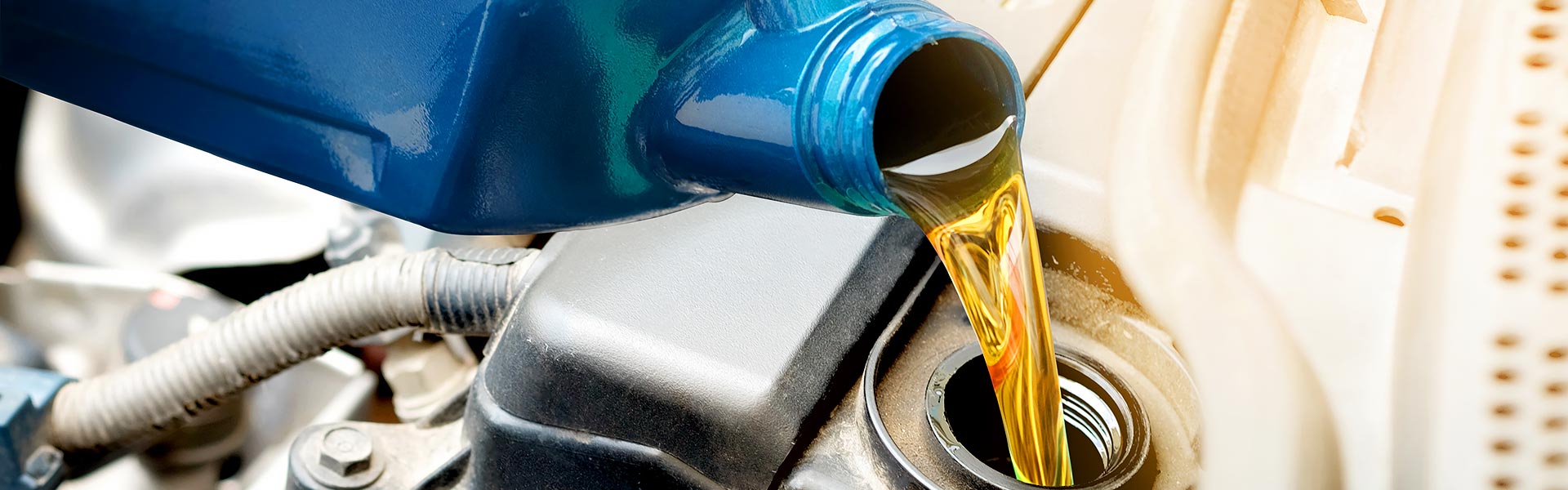
Keeping up with your Nissan oil change interval is one of the easiest ways to protect your engine and extend the life of your vehicle, while giving you ride quality that makes you smile. Whether you’re driving a 2026 Nissan Rogue through daily commutes or hauling loads in a Frontier, regular oil changes are crucial to keep your Nissan running properly throughout Bossier City, Louisiana. This guide breaks down what you need to know so you never fall behind on this essential service.
Why the Nissan Oil Change Interval Matters
Engine oil keeps your moving parts lubricated, helps manage heat, and prevents buildup that can cause long-term damage. Over time, oil breaks down and loses its effectiveness. Sticking to your recommended Nissan oil change interval keeps your engine running cleanly and efficiently, mile after mile.
Skipping or delaying oil changes is one of the most common causes of premature engine wear. It is a small investment of time that pays off significantly in the long run.
Standard Mileage Milestones for Nissan Service Visits
Most modern Nissan vehicles recommend an oil change every 5,000 miles when using conventional oil. However, if your model is approved for full synthetic oil, that interval can extend to every 7,500 to 10,000 miles, depending on your driving habits and conditions.
Here’s a general breakdown of key mileage milestones to keep in mind for your Nissan oil change interval:
At 5,000 miles, you should check your oil level and schedule a change if using conventional oil. 7,500 miles is a standard checkpoint for synthetic oil users under normal driving conditions. Many newer Nissan models running full synthetic oil can safely reach 10,000 miles, though more aggressive driving may require earlier attention. Every 15,000 miles is a good time to pair your oil change with a broader multi-point inspection covering filters, fluids, and tire rotation.
Always refer to your owner’s manual or the oil life monitoring system in your Nissan for the most accurate guidance specific to your model.
Synthetic vs. Conventional Service: Which Does Your Nissan Need?
The synthetic vs. conventional service question is something many Nissan owners ask when they pull into the service bay. The answer depends on your specific model, its engine, and how you typically drive.
Conventional oil is petroleum-based and works well for older models or vehicles used under standard driving conditions. It’s typically the more affordable option upfront but requires more frequent changes. Full synthetic oil is engineered for better performance across a wider range of temperatures, provides stronger protection under stress, and generally lasts longer between changes.
Many newer Nissan vehicles, including turbocharged models like the Rogue’s VC-Turbo engine, are designed to perform best with full synthetic oil. Understanding the synthetic vs. conventional service difference can help you make a smarter choice at your next appointment.
Signs You May Need an Oil Change Sooner
Even with a set schedule, certain driving conditions can shorten your Nissan oil change interval. Frequent short trips, towing, extreme heat, and stop-and-go traffic all put additional strain on your engine oil. If your oil life monitor alerts you early, or if you notice darker oil on the dipstick, don’t wait for the next milestone.
Other signs to watch for include a slight engine knocking sound, a burning oil smell, or reduced overall engine smoothness. Addressing these early keeps minor issues from becoming costly repairs.
It’s Easy to Stay on Track
Staying on top of your Nissan oil change interval is one of the simplest things you can do to protect your investment, keep your vehicle performing its best, and give yourself the ride quality you deserve. No matter what you use your vehicle for in and around Bossier City, LA, routine oil changes make a real difference. Stop by Orr Nissan Bossier to get your Nissan serviced by trained technicians who know your vehicle inside and out.
Connect with us


- 2025 Nissan Models
- 2026 Nissan Models
- 2026 Nissan Rogue AWD in Bossier City, LA
- 2026 Nissan Sentra
- 2027 Nissan Models
- Bossier City Nissan Dealer
- Bossier City Nissan Service
- Bossier City Used Cars
- Compact SUVs
- New Vehicles
- Nissan Oil Change
- Nissan Rogue
- Nissan Rogue AWD
- Orr Nissan Bossier Service
- SUVs
- Uncategorized
- Warranty Coverage